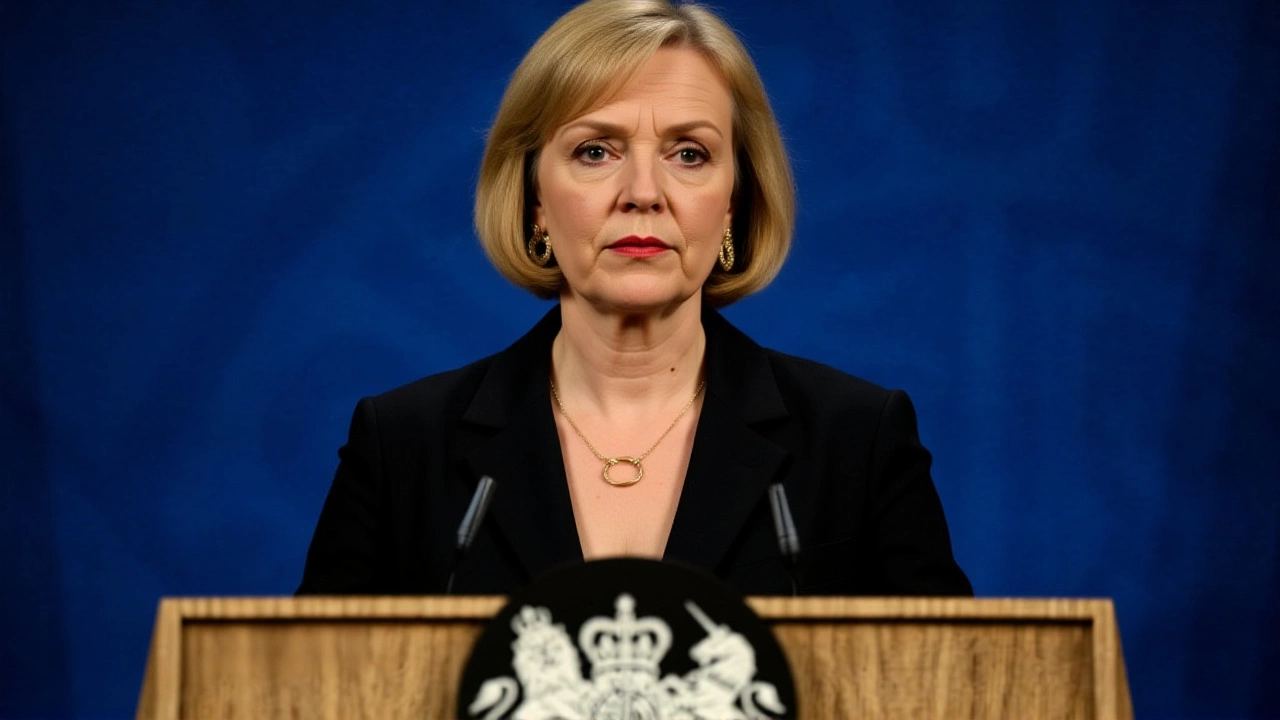
On April 2, 2025, Donald J. Trump didn’t just announce new trade rules—he declared war on the global economy as it exists today. Standing at the White House in Washington, D.C., he signed Executive Order 14257White House, invoking the International Emergency Economic Powers Act to justify a 10% tariff on all imports, effective April 5 at 12:01 a.m. EDT. By April 9, those tariffs became personalized: countries with the largest U.S. trade deficits—China, Mexico, Vietnam, Germany, and others—faced even steeper, reciprocal duties. The message was blunt: tariffs aren’t just revenue tools anymore. They’re weapons.
The Emergency Justification
The White House fact sheet called foreign trade practices a "national emergency," claiming persistent trade deficits were "eroding American sovereignty" and "undermining worker wages." Trump’s team cited a 2025 Economic Policy Institute analysis that found his first-term tariffs didn’t cause lasting inflation—a claim critics say ignores supply chain disruptions and corporate price hikes. Meanwhile, the Atlantic Council argued the tariffs might nudge consumers toward U.S.-made goods. But here’s the twist: those same goods are already more expensive. And when you slap a 10% surcharge on everything from smartphones to soybeans, retailers don’t eat the cost—they pass it on. To families already stretched thin by housing and healthcare, this isn’t economic patriotism. It’s a hidden tax.
A Cascade of Executive Actions
What followed wasn’t a policy—it was a cascade. On July 7, Trump extended the suspension of additional duties until August. On July 31, he signed "Further Modifying the Reciprocal Tariff Rates", tightening the screws again. Then came the geopolitical gambit: on August 6, he imposed a 25% tariff on India for allegedly importing Russian oil—a move that stunned diplomats and sent shockwaves through global energy markets. And just a day later, he signed "Democratizing Access to Alternative Assets for 401(K) Investors", pushing the SEC Chair Gary Gensler to expand who qualifies as an "accredited investor," opening retirement accounts to high-risk private equity and real estate funds. For middle-class Americans, this felt less like empowerment and more like a gamble with their life savings.
Energy, Trucks, and the Quiet War on Renewables
Trump’s economic vision wasn’t just about trade—it was about control. The Treasury Secretary Janet Yellen and economic adviser Kevin Hassett were ordered to draft a plan to fight "unlawful debanking." Meanwhile, Interior Secretary Doug Burgum was told to eliminate preferential treatment for wind and solar projects. And then came the death knell: the Treasury terminated clean electricity tax credits. No more incentives. No more subsidies. Just markets, as Trump sees them: raw, unforgiving, and fossil-fueled.
On November 1, 2025, 25% tariffs on medium- and heavy-duty trucks and parts, plus 10% on buses, will hit. For logistics companies, delivery fleets, and public transit agencies, this isn’t a cost—it’s a crisis. The American Trucking Associations warned it could raise shipping costs by 8% nationwide. And for the average family? That means higher prices on groceries, furniture, and electronics.
The Cost of "American Prosperity"
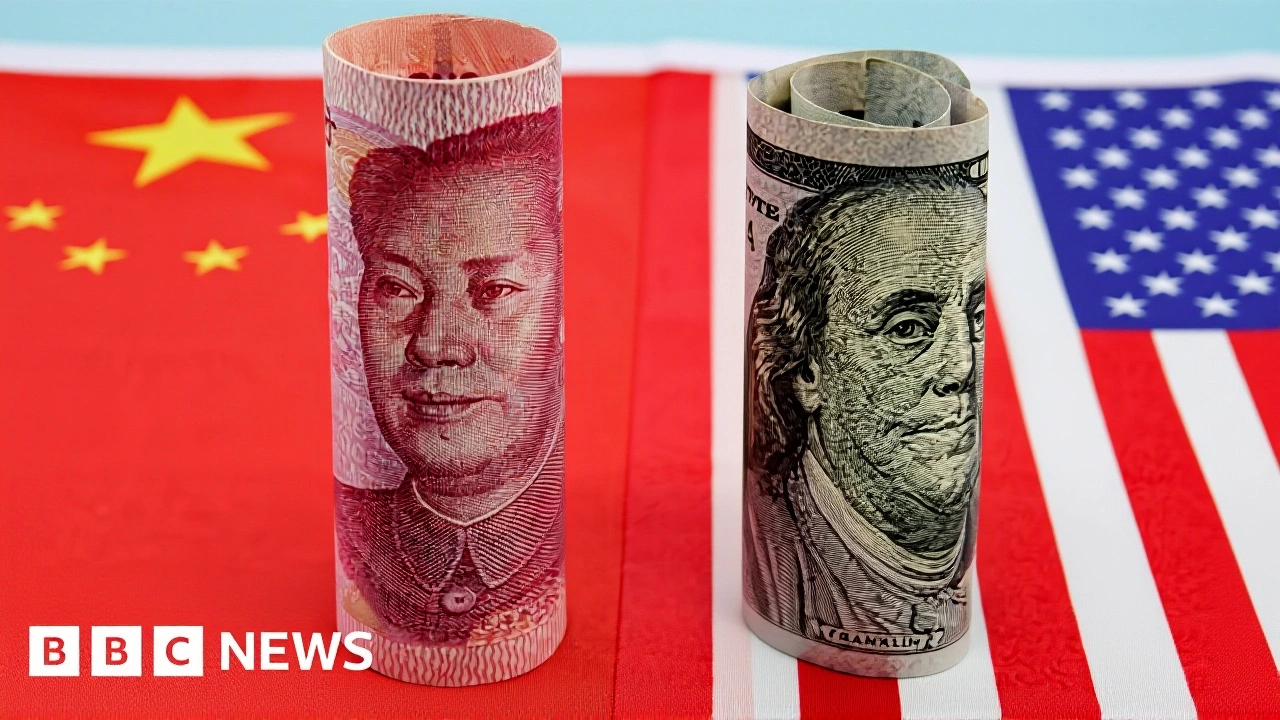
The Center for American Progress released a chilling report on October 15, 2025: under Trump’s "Our Better, Brighter, Bolder America" agenda, the poorest 20% of households will lose $1,490 in annual income by 2027. That’s $160 per person. Meanwhile, the top 1% will see gains. The Stanford Institute for Economic Policy Research noted Trump’s campaign promised no cuts to Social Security or Medicare—funded instead by tariffs and "government efficiency." But efficiency here means slashing environmental reviews, deregulating Wall Street, and gutting energy subsidies. It’s not austerity. It’s redistribution—from the bottom up.
By August 2025, Trump had signed 217 executive orders—more than any president since Franklin D. Roosevelt. Each one, in its own way, rewrote the rules. The administration calls it "reversing Biden’s damage." But what’s being rebuilt isn’t prosperity—it’s a system designed to benefit those who already hold the cards.
What’s Next?
The next 12 months will test whether these tariffs can force reshoring—or simply trigger retaliatory measures from the EU, China, and Canada. The World Trade Organization has already signaled it may launch a formal dispute. Meanwhile, U.S. manufacturers are scrambling to find new suppliers, but few can match China’s scale or Mexico’s proximity. Farmers in Iowa and Nebraska are watching soybean exports plunge. And in small towns across the Midwest, the price of a new pickup truck is now out of reach.
Trump’s team insists this is the "new golden age." But gold doesn’t grow on trees. It’s mined, refined, and shipped—often through the very supply chains now being taxed into collapse.
Frequently Asked Questions
How will these tariffs affect everyday consumers?
Consumers will face higher prices across electronics, clothing, vehicles, and groceries, as import costs ripple through supply chains. The Center for American Progress estimates the poorest 20% of households will lose $1,490 annually by 2027, while inflationary pressures from tariffs are already visible in retail sectors reliant on Asian and Mexican imports.
Why target India with a 25% tariff over Russian oil?
The administration claims India indirectly imports Russian oil through third-party intermediaries, violating U.S. sanctions. While India denies direct violations, the move is widely seen as political—punishing a major non-aligned economy that still buys Russian crude at discounted rates. The tariff could strain U.S.-India relations and push New Delhi toward closer ties with Russia and China.
Did Trump’s first-term tariffs cause inflation?
The Economic Policy Institute found no long-term inflation link from Trump’s 2018–2019 tariffs, but that analysis didn’t account for supply chain bottlenecks or corporate pricing power. In 2025, with broader tariffs and energy deregulation, economists warn the cumulative effect may be more damaging, especially as wage growth lags behind rising costs.
What’s the impact on renewable energy development?
The termination of wind and solar tax credits, combined with Interior Department reviews favoring fossil fuels, has stalled over $12 billion in planned clean energy projects. Analysts predict a 30% drop in new solar installations in 2026, reversing five years of growth and threatening thousands of manufacturing jobs in states like Ohio and North Carolina.
Can Congress overturn these executive orders?
Technically, yes—Congress can pass a joint resolution to terminate a national emergency under the National Emergencies Act. But with a Republican-led House and Senate in 2025, no such vote is expected. Legal challenges are underway, but the Supreme Court has historically deferred to presidential authority under IEEPA, especially when framed as "economic security."
How does this compare to past trade wars?
Trump’s 2025 tariffs are broader than his 2018 China-focused measures, covering all nations with a baseline 10% rate. Unlike Obama’s targeted steel tariffs or Reagan’s 1980s auto quotas, this is a systemic overhaul. The scale and speed resemble the Smoot-Hawley tariffs of 1930—though without the global depression that followed. Still, economists warn the risk of retaliatory spirals is higher than ever in today’s interconnected economy.